Quanex Building Products Corporation Sees Demand Deferred, Not Destroyed, in Face of Market Volatility
Quanex Building Products Corporation recently released its Q3 2026 earnings, providing a snapshot of the company's performance amidst market volatility. In his prepared remarks on the conference call, George Wilson, President and CEO, noted that housing demand in North America and Europe has shown early signs of stabilization, albeit with a recovery proceeding gradually.
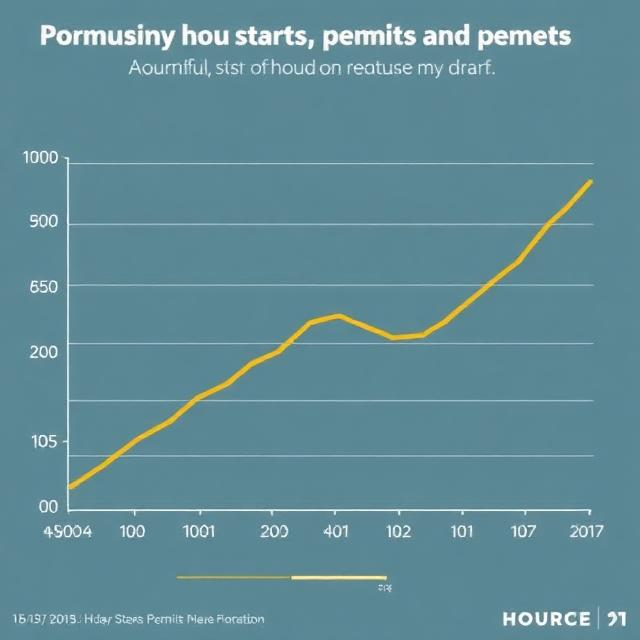
However, data released in July painted a more complex picture. New single-family starts declined by 16% from a year ago, reaching an annual rate of 808,000. Single family completions dropped by 13%, standing at approximately 878,000 units. Units under construction were down about 7% year-over-year. Despite these numbers, Wilson highlighted that permits have held up relatively well, with total permits in July increasing by 3% year-over-year and single-family permits showing a modest gain.
The fact that builders are choosing not to break ground on new projects due to affordability concerns and consumer confidence issues has led the company to view the current market as demand-deferred rather than demand-destroyed. This perspective suggests that recovery is possible once these factors improve. Similar dynamics apply in Europe, with regions such as Iberia and Scandinavia showing signs of recovery, while softness persists in other areas.
One of the company's key priorities has been addressing the ongoing inflationary pressures impacting input costs. While prices have not stopped rising, their pace appears to be diminishing slightly. To mitigate these effects, Quanex implemented targeted price increases in the mid single digit to low teens range through the third quarter. This strategy, coupled with efforts to narrow the cost-price gap, has helped protect margins.
Operational performance for the quarter was largely in line with expectations, despite market headwinds. The company's operational teams have been performing well, and initiatives such as the resegmentation of business units initiated after acquiring Tyman have shown promise in supporting customers, enabling organic growth, and improving operational and financial performance.
Given these developments, it remains to be seen how Quanex Building Products Corporation will navigate the evolving market landscape. As the company continues to adapt to changing conditions, one thing is clear: their ability to respond flexibly and effectively will be crucial in determining their success moving forward."