Tims China Brews Up a Storm with Strong Franchise Growth Despite Q1 Slowdown
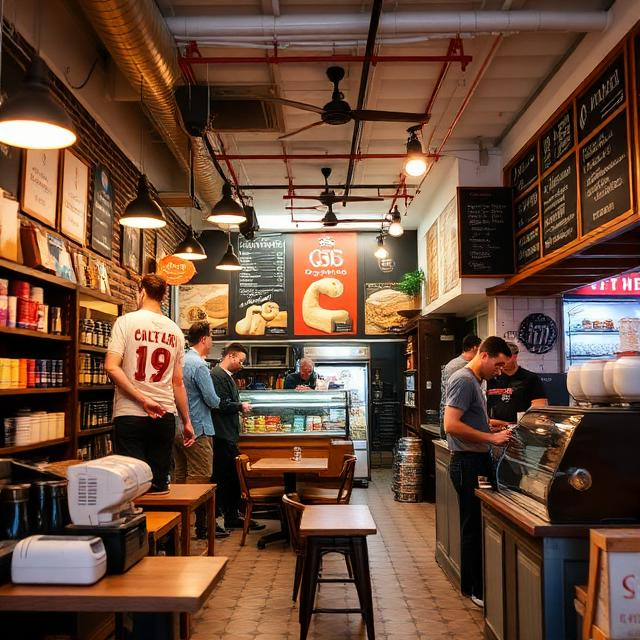
TH International Limited, the parent company of Tims China, has reported its first quarter 2026 financial results, showcasing resilience and adaptability in a challenging coffee industry landscape.
The company's CEO Director, Yongchen Lu, attributed the temporary slowdown to a seasonal reduction in demand, which prompted a strategic shift towards optimizing operating rhythms and reallocating resources. This proactive approach enabled Tims China to maintain core user quality, improve profitability, and lay the groundwork for future growth.
Same-store sales growth took a hit during Q1, with comparable transactions declining 8.3% and average ticket size dropping 4.8%. However, this decline was largely due to delivery aggregators reducing subsidies and under-spending on marketing. Despite these challenges, Tims China's focus on quality growth yielded positive results from its compact and made-to-order stores.
The company-owned and operated stores in tier 1 cities generated over 10% store contribution margin in 2025, outperforming other locations with lower density. These high-performing stores are expected to achieve payback periods within two to three years, demonstrating the potential for economies of scale through increased density.
Tims China's franchise model continues to gain traction, with over 10,500 applications received since its launch in December 2023. The company has successfully opened nearly 260 stores by the end of March 2026 and signed up for over 440 stores. This growth is a testament to market confidence in Tims China's business model.
The company's plans to expand across diversified locations, such as transportation hubs, office buildings, and university campuses, will further enhance brand penetration and consumer reach. With its strategic adjustments and focus on quality growth, Tims China appears poised for long-term success despite short-term challenges.