Euroholdings Sets Sights High with Strong Q2 2026 Performance
The company's second quarter financial results have exceeded expectations, solidifying its position as a leading player in the maritime industry.
Chairman and Chief Executive Officer Aristides Pittas highlighted the strong performance of Euroholdings during his presentation on the company's Q2 2026 financial results. Notably, the company's share price has consistently traded above $8 since mid-April 2026, frequently reaching approximately $8.50 throughout this last quarter.
With a focus on returning capital to shareholders, Euroholdings has declared its sixth consecutive quarterly dividend at $0.14 per share. This move demonstrates the company's commitment to delivering value to its stakeholders, as evident from Chairman Pittas' statement that "we've returned capital to shareholders through all five quarters."
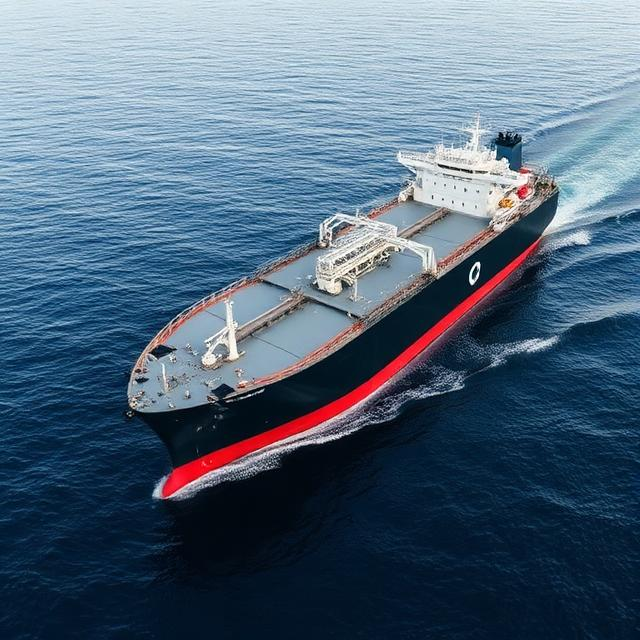
The company's strategic decision to focus on the tanker sector has yielded impressive results, with the successful acquisition of its first medium-range product tanker, the Hellas Avatar. The addition of a sister vessel, the Hellas Fighter, is expected to further enhance the company's operations and position it for continued growth.
Euroholdings' financial highlights for Q2 2026 are equally impressive, with total net revenues of $8.6 million and a net income of $4.29 million, or $1.52 earnings per basic and diluted share. Adjusted EBITDA for the quarter amounted to $5.04 million.
The company's fleet has also undergone significant changes, with the expected delivery of the Hellas Fighter set to complete the transition towards a tanker-focused operating model. The combined carrying capacity of Euroholdings' two product tankers and two feeder containerships will amount to approximately 141,000 deadweight tons, further solidifying its position in the industry.
With a strong foundation in place, Euroholdings is well-positioned for continued growth and success. As Chairman Pittas noted, "we will continue operating our two legacy feeder container ships throughout their useful commercial life, while we gradually transition to a tanker-focused operating model."