Microsoft Closes Record Fiscal Year with Strong Q4 Performance, Expanding AI Capabilities and Infrastructure
Microsoft has concluded its record fiscal year on a high note, achieving significant growth in revenue and cloud computing. The company's fourth-quarter earnings conference call highlighted the strong close to the 2026 fiscal year, with annual revenue surpassing $331 billion, up 18% from the previous year.
The Microsoft Cloud segment led the way, with revenue reaching $214 billion, an impressive 27% increase. Azure, a key component of the Microsoft Cloud, achieved a remarkable 41% growth, exceeding $100 billion in annual revenue. Chairman and Chief Executive Officer Satya Nadella emphasized the company's focus on AI empowerment and customer sovereignty during his prepared remarks.
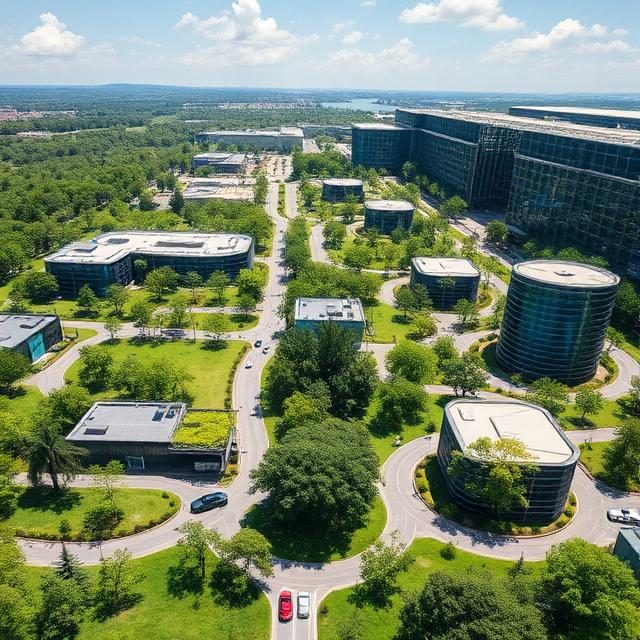
Microsoft has been actively expanding its AI platform and infrastructure to meet accelerating demand. This quarter saw the addition of 31 new data centers across five continents, bringing the total to 88 for the year. The company has also reduced dock-to-live times for new GPUs in its largest regions by nearly 50%, allowing it to bring capacity online faster than ever.
In a significant move towards AI sovereignty, Microsoft announced a partnership with Mistral last week to bring its models to Microsoft Sovereign Cloud. This collaboration enables customers to run their models across public, customer-controlled, and fully disconnected environments. The company is also modernizing its fleet with its own silicon innovation, alongside the latest offerings from NVIDIA and AMD.
One notable example of this progress is the Maia 200 chip, which delivers 30% better performance per dollar than the latest generation hardware in Microsoft's fleet. This innovation supports both OpenAI and MAI models, further solidifying Microsoft's position in the AI landscape.
The company's commitment to empowering customers with AI capabilities is evident throughout its strategy. By expanding its data centers, improving infrastructure efficiency, and innovating in silicon systems and software, Microsoft aims to create a continuous learning loop that enables organizations to build their own IP and stay ahead of the competition.
![Bucking Trends: [Company Name] Delivers Strong Q3 Performance Amidst Industry Headwinds](/content/images/size/w600/2026/10/downloaded_image-76.png)